After 17 days in a cell, I landed in Qatar. My body was in the desert, but my spirit remained on Nepal's streets. My technical revolution had begun earlier in Malaysia, where a Chinese friend introduced me to a computer for the first time and helped me learn the basics of programming. There, we launched the 'Kukur Kabita' (Dog Poetry) movement to harness social media for political and identity awareness. I also visited the rainforest settlements of the Indigenous Orang Asli people, drawing deep parallels between their struggles and ours. It was in Malaysia that I met prominent Nepali Indigenous leaders Ang Kaji Sherpa and Kumar Lingden — an encounter that sharpened my political consciousness and strengthened my commitment to frontline advocacy.
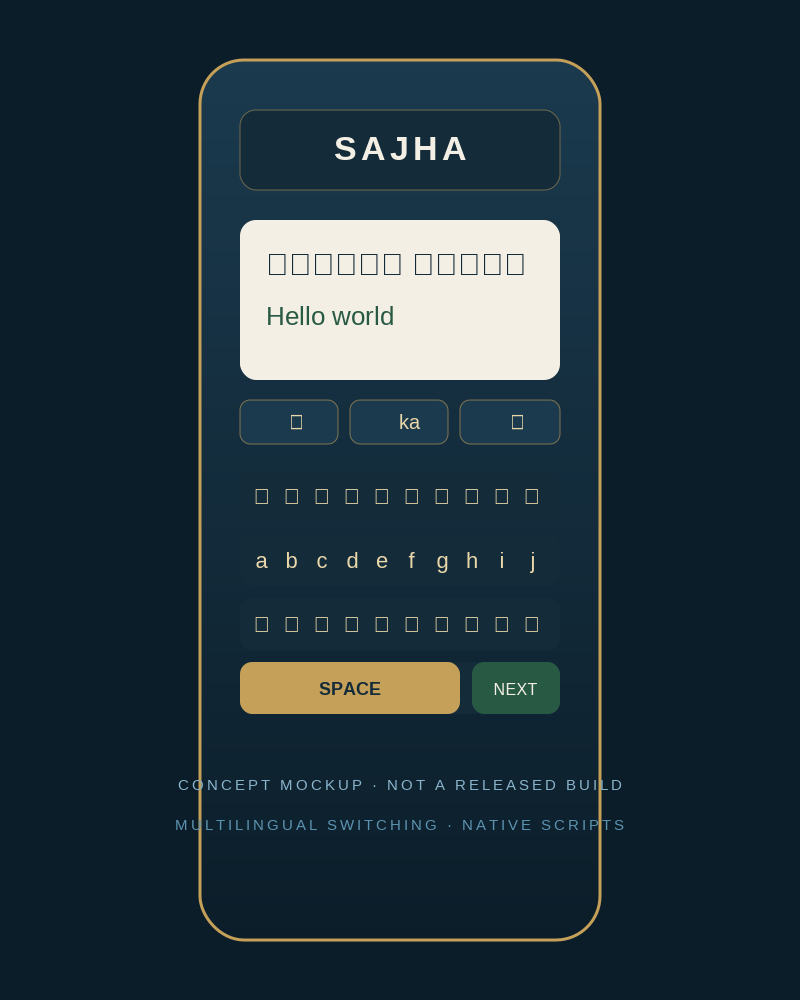
Turning technology and organizing into weapons of liberation, I engineered custom keyboards and converters for endangered scripts, including Tamyik (Tamang), Sirijanga, Rong, Brahmi and Tirhuta. On the frontline, I traveled across 58 districts of Nepal to mobilize youth, standing on the frontlines of the Vijayapur Palace protection in Dharan, the Mukumlung (Pathibhara) preservation, the Limbuwan protests in Jhapa, and the Tamuwan movements in Pokhara.
The results of this work are concrete: I authored official school textbooks in the native Tamyik script for Bagmati Rural Municipality (Makawanpur) and Likhu Tamakoshi Rural Municipality (Ramechhap), and thousands of Indigenous youths and scholars now use my digital keyboards to write, publish and communicate in native scripts. Collaborating with linguist Amrit Yonjan, I am standardizing a digital script framework for the Tamang nation, while building digital dictionaries, calendar apps and AI platforms for all marginalized mother tongues in Nepal.
The state broke my bones, denied my education, and jailed my body — yet every time I fell, I rose like burning embers. By fusing ancestral wisdom with modern technology, I will ensure future generations write, speak and live in their native languages with absolute freedom.